After a sewage backup, many homeowners in Euclid may not realize the critical importance of structural drying. Without prompt action, the consequences can escalate quickly. This article explains why structural drying after a sewage backup is vital and outlines the steps you should take to protect your home.
Allowing contaminated moisture to sit inside your home's skeletal wood structure for even an extra day can trigger catastrophic property damage. Because raw wastewater is a highly toxic biohazard, a delayed response turns a simple cleanup into a deep structural crisis. Understanding why structural drying cannot wait ensures you can save your property from permanent ruin and protect your family from severe airborne health risks.
Understanding Structural Drying
Structural drying is the process of removing moisture from the porous building materials like wood, concrete, and drywall, and the air within a structure after water damage occurs. This is particularly essential following a sewage backup, where contaminated water can seep into walls, floors, and other structural components.
The primary goal of structural drying is to restore the building to its pre-damage condition while preventing mold growth and further structural deterioration. In Euclid, where many homes are older, the materials used in construction can be particularly susceptible to damage if not dried properly.
When Category 3 black water floods a room, it behaves like a sponge hitting a puddle. The contaminated water aggressively wicks upward into your wall studs, subfloors, and insulation tracks, traveling several inches above the actual standing water line. If you only dry the visible surfaces with household box fans, the hidden internal structures remain trapped in a hyper-damp, stagnant environment.
Professional structural drying requires constant monitoring with advanced tools like non-penetrating moisture meters and thermal imaging cameras. Technicians must scientifically track the "dry standard" of your specific property materials to ensure the framing reaches pre-loss conditions. Skipping this detailed verification step guarantees that hidden moisture pockets will remain locked inside your walls, quietly rotting your home from the inside out.
The Risks of Delaying Drying
Delaying the structural drying process can lead to significant risks:
- Mold Growth: Mold can begin to develop within 24 to 48 hours after water exposure. Once established, it can be difficult and costly to remove. Microscopic mold spores thrive on the organic cellulose found in wet drywall paper and wood framing. If you delay structural drying, aggressive toxic black mold colonies will spread inside your wall cavities, permanently ruining your indoor air quality and requiring expensive specialized remediation.
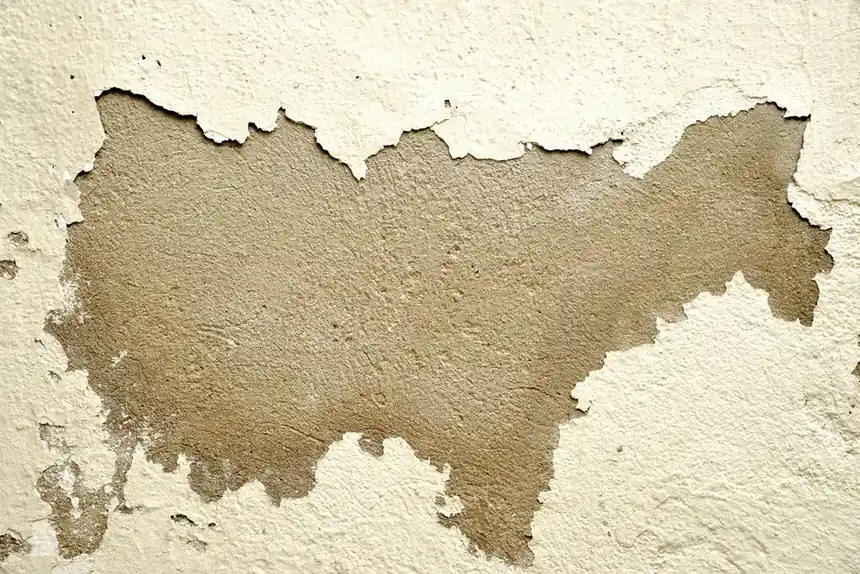
- Structural Damage: Prolonged exposure to moisture can weaken the integrity of walls, floors, and ceilings, leading to costly repairs. Wood timbers naturally soften, warp, split, and rot when trapped in a saturated environment under a house. This continuous degradation undermines the load-bearing capacity of your floor joists, causing floors to sag dangerously and ceilings to buckle under the shifting weight.
- Health Hazards: Contaminated water can pose health risks, especially if it contains sewage. Bacteria and pathogens can thrive in wet environments. Category 3 black water carries live viruses, parasites, and bacteria like E. coli. When wet structural materials are left to fester, these biohazards multiply exponentially, releasing toxic airborne gases and biological particulates that cause severe respiratory and gastrointestinal illnesses.
In Euclid, with its humid climate, the risks associated with delaying drying can be even more pronounced. Homeowners may find that their property suffers long-term damage if they do not act swiftly. Because the close proximity to Lake Erie keeps baseline indoor humidity levels high, wet building materials cannot dry out on their own, making immediate commercial extraction and drying absolutely essential.
Steps in the Structural Drying Process
The process of structural drying involves several critical steps:
- Assessment: A thorough inspection of the affected areas to determine the extent of water damage. Certified technicians do not just rely on visual checks; they deploy advanced thermal imaging cameras and digital moisture probes. These specialized tools trace the exact migration path of the hidden wastewater behind baseboards and under floors, ensuring no hidden pockets of sewage are overlooked.
- Water Extraction: Removal of standing water using specialized equipment. This step is crucial to prevent further absorption into materials. Remediation crews deploy heavy-duty, truck-mounted vacuum systems to rapidly suck out standing wastewater, mud, and toxic sludge. Extracting the bulk liquid immediately stops the biohazard from wicking deeper into the home's subfloors and wall tracks.
- Dehumidification: Using dehumidifiers to lower humidity levels in the air, facilitating faster drying of structural components. Technicians install industrial-grade low-grain refrigerant (LGR) dehumidifiers throughout the flooded rooms. These high-capacity machines continuously pull wet air in, freeze out the moisture, and exhaust hot, dry air to accelerate structural water evaporation.
- Air Movement: Employing fans to increase air circulation, which helps to evaporate moisture from surfaces. A strategic grid of high-velocity, industrial centrifugal air movers is set up to blast high-speed air directly against wet studs and concrete floors. This continuous airflow breaks up the stagnant boundary layer of moisture on surface materials, forcing the trapped water out into the room.
- Monitoring: Regular checks to ensure that moisture levels are returning to normal and that no mold is developing. Restoration experts return to the property daily to take psychrometric readings and log structural dryness percentages. They adjust the equipment setup based on hard data, keeping the machines running until the framing hits its strict scientific pre-loss dry standard.
For effective results, many homeowners rely on professional services for structural drying in Euclid. These experts have the equipment and experience necessary to handle the process efficiently.
Common Mistakes to Avoid
When dealing with sewage backups and subsequent drying, homeowners often make mistakes that can exacerbate the situation:
- Ignoring the Problem: Some may think that simply cleaning the area is enough, but without proper drying, issues will persist. Washing away visible waste removes the surface mess but ignores the thousands of gallons of toxic liquid trapped inside your walls. Leaving this hidden moisture untreated allows structural wood framing to rot silently and triggers severe, widespread black mold outbreaks within days.
- Using Household Fans: While it might seem like a good idea, household fans can spread contaminants and are often insufficient for effective drying. Standard residential box fans lack the industrial velocity needed to extract deeply embedded subfloor moisture. Even worse, blasting a regular fan across a sewage spill area lifts dried biological pathogens into the air, blowing toxic bacteria directly into your home's breathing air.
- Neglecting Professional Help: Attempting to manage the situation without professional assistance can lead to inadequate drying and potential health risks. Homeowners do not own the advanced thermal imaging cameras or commercial dehumidifiers required to verify deep structural dryness. Skipping a certified decontamination process leaves dangerous biohazards active under your floors, permanently threatening your family’s health and home value.
To avoid these pitfalls, it's essential to act quickly and consult with experts in sewage removal in Euclid. Relying on certified remediation professionals guarantees your property safely passes strict dryness standards, protecting your building structure and giving you absolute peace of mind.
When to Call a Professional
It's crucial to know when to seek professional help. If you experience a sewage backup, consider contacting Sewage Cleanup Euclid Pros immediately. We offer comprehensive services in the entire Euclid neighborhood and offer expert structural drying.
Delaying professional assistance can lead to more extensive damage and higher costs, so don't hesitate to reach out.
Seek Help
If you're facing a sewage backup, don't wait. Contact us at Sewage Cleanup Euclid Pros for professional assistance. We're here to help you restore your home safely and efficiently.
Call us today at (216) 460-0037.