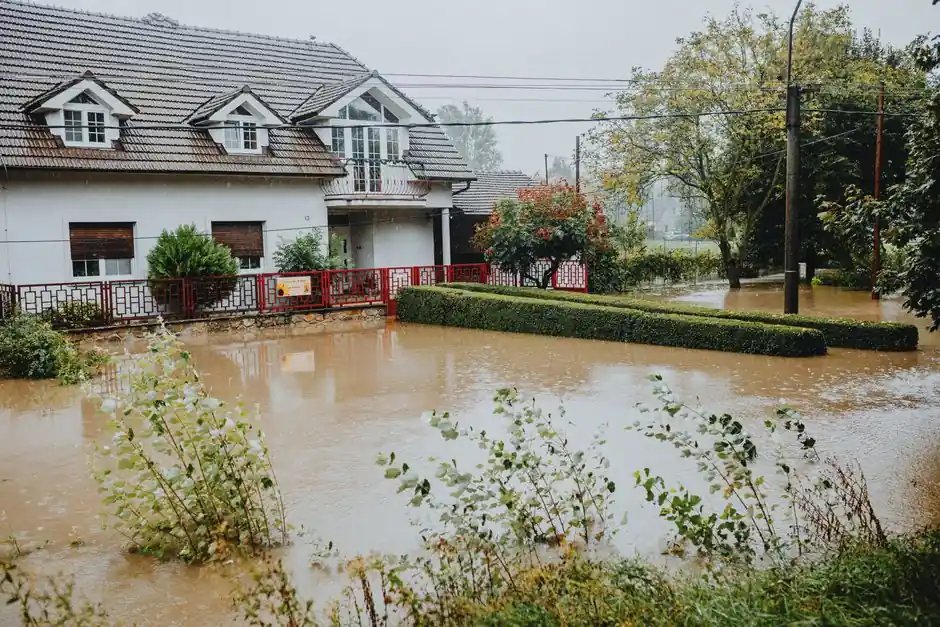
Basement sewage flooding can be a serious concern for homeowners in Euclid, Ohio. Understanding the neighborhoods most at risk can help you take preventive measures. This article will explore the areas in Euclid that face the highest risks of sewage flooding, the factors contributing to these risks, and how to protect your property.
When severe weather rolls off Lake Erie, the impact on your home's infrastructure depends heavily on your specific street address. Euclid features a unique combination of historic coastal properties, varying elevations, and older municipal drainage systems. This means that a heavy rainstorm might leave one street completely dry while causing catastrophic basement backups just a few blocks away.
For local property owners, recognizing the structural and geographical vulnerabilities of your specific neighborhood is essential. Knowing if your home sits on a low-lying flood tier or connects to an older municipal sewer line helps you prepare properly. Taking proactive, targeted steps today can save you from a toxic, expensive basement disaster during the next major Northeast Ohio storm.
Understanding Basement Sewage Flooding Risks
Basement sewage flooding occurs when wastewater overflows into your basement, often due to sewer backups or heavy rainfall. The risks associated with basement sewage flooding can lead to extensive damage, health hazards, and costly repairs. Understanding these risks is crucial for residents in Euclid.
Several factors can contribute to basement sewage flooding:
- Heavy rainfall and flooding events
- Old or damaged sewer lines
- Improper drainage systems
- Clogged drains and pipes
By identifying these risks, you can take proactive steps to safeguard your home.
High-Risk Neighborhoods for Sewage Flooding in Euclid
Some neighborhoods in Euclid are more prone to sewage flooding due to their geographical and infrastructural characteristics. Here are the top areas to watch:
- Euclid Lakeshore: This area is vulnerable due to its proximity to Lake Erie, which can exacerbate flooding during heavy storms. Homes situated right along Lake Shore Boulevard face a double threat from intense lake-effect storms and high coastal water tables. When heavy wind and rain push lake waters inland, the surrounding soil quickly becomes waterlogged, placing extreme hydrostatic pressure on older residential sewer laterals and forcing wastewater backward into low-lying basements.
- Downtown Euclid: The dense urban environment and aging infrastructure can lead to sewer backups, especially during significant rainfall. The heavy concentration of concrete sidewalks, asphalt parking lots, and commercial rooftops creates massive amounts of fast-moving stormwater runoff. Because this water cannot naturally soak into the ground, it rushes directly into the city's oldest combined sewer mains, frequently overloading the municipal system and flooding basement drains.
- Euclid High-Rise District: High-rise buildings may face unique plumbing challenges, increasing the risk of sewage backups. Large residential complexes and multi-family structures route thousands of gallons of daily waste through massive, shared vertical drop lines. If a blockage forms deep inside the main subterranean trunk line, the wastewater from every upper floor has nowhere to go, causing sudden, catastrophic sewage overflows into the ground-floor units and common basement areas.
- Euclid Creek: Areas near the creek can experience flooding, particularly during heavy storms, leading to potential sewage overflow. Properties located along the Euclid Creek basin or near the Reservation boundaries sit at the bottom of a natural watershed. When heavy regional rainfall causes the creek to overflow its banks, the rising floodwaters submerge local sewer cleanouts and force their way straight into the municipal sanitation system, triggering widespread regional backups.
- Chardon Hill: The elevation and drainage issues in this neighborhood can contribute to basement flooding risks. While higher elevation usually protects against surface flooding, Chardon Hill's steep slopes create a natural funnel for roaring street runoff during summer cloudbursts. As gravity pulls thousands of gallons of stormwater rapidly down the hillsides, it slams into the lower-capacity drainage lines at the base of the grade, creating localized hydraulic pressure that pushes sewage straight up into residential basements.
Residents in these neighborhoods should be particularly vigilant about their plumbing systems and drainage solutions. And if they see the backup, they should immediately contact the expert basement sewage sanitization service in Euclid, OH.
Factors Contributing to Sewage Flooding
Several factors can increase the likelihood of sewage flooding in Euclid neighborhoods:
- Age of Infrastructure: Older sewer systems may not handle modern water flow, leading to backups. A significant portion of Euclid’s municipal underground network dates back several decades. These older clay and cast iron public mains frequently suffer from internal collapses, structural sagging, and severe scaling that drastically reduces the volume of wastewater the system can safely carry away from residential streets.
- Climate Change: Increased rainfall and severe weather patterns can overwhelm drainage systems. Over the last few years, storms rolling off Lake Erie have become noticeably more intense, dropping massive volumes of water in very short windows. These sudden, heavy cloudbursts dump more surface water than the city’s combined storm and sanitary sewer lines were originally engineered to handle.
- Improper Maintenance: Neglected drains and sewer lines can lead to blockages and backups. Failing to routinely clear out invasive tree roots or flush out accumulated kitchen grease allows pipes to choke down over time. When a main lateral line is neglected, it loses its ability to handle normal daily water loads, leading to sudden and unpredictable basement backups.
- Soil Saturation: During heavy rains, saturated soil can prevent proper drainage, increasing flood risks. Euclid's clay-heavy soils trap water near the surface rather than letting it absorb deeply into the earth. When consecutive rainstorms completely saturate the ground around your foundation, the high hydrostatic pressure forces groundwater to seep into pipe joints, overloading your residential drainage lines.
Understanding these factors can help you identify areas where preventive measures are necessary.
Common Mistakes to Avoid
Homeowners often make mistakes that can exacerbate sewage flooding risks:
- Ignoring Warning Signs: Signs like slow drains or foul odors can indicate plumbing issues that need attention. Assuming that a bubbling toilet or a faint sewer smell in the basement will fix itself is a dangerous mistake. These small disruptions are direct warnings that your main line is filling up, and ignoring them guarantees a major wastewater flood during the next heavy rain.
- Neglecting Maintenance: Regularly cleaning gutters and drains can prevent blockages. When downspouts are choked with leaves, roof runoff dumps directly onto the soil right next to your basement foundation. This concentrated pool of surface water quickly oversaturates the ground, overwhelming your footing tiles and forcing excess water directly toward your main sewer lateral.
- Improper Landscaping: Landscaping that directs water toward your home can increase flooding risks. Sloping your flowerbeds or lawn inward toward your foundation walls creates a natural funnel for stormwater runoff. This poor grading traps thousands of gallons of water against your basement structure, increasing the chance of structural leaks and severe sub-floor pipe failures.
- Failing to Install Backflow Prevention: Backflow valves can prevent sewage from entering your home during floods. Leaving your basement floor drains completely unprotected means there is no mechanical barrier stopping an overflowing city main from pushing waste into your home. Installing a one-way check valve ensures that reversing municipal sewage is physically blocked before it can ever reach your floors.
Avoiding these mistakes can significantly reduce your risk of basement flooding. However, if the basement sewage backup happens, initial containment steps must be taken in order to minimize the damage before professional help arrives.
When to Call a Professional
If you experience frequent sewage backups or notice signs of flooding, it may be time to call a professional. Sewage Cleanup Euclid Pros specializes in addressing sewage flooding issues and can provide expert advice tailored to your neighborhood's specific risks. Timely intervention can save you from extensive damage and costly repairs.
Get Professional Help
For residents of Euclid concerned about basement sewage flooding, timely assistance is essential. Contact our professional sewage removal Euclid team at (216) 460-0037 for expert support and solutions tailored to your needs.